The Sweet Science of Soil: Why Sugar is the Secret to Viral Sales, Profitable Livestock, and Saving the Watershed
By Jody Hardin, The Carbon Chicken Project
If you walk down the canned food aisle of any grocery store today, you will notice a troubling trend. Whether you pick up a can of sweet peas, corn, stewed tomatoes, or even beets, you will likely find one ingredient listed on almost every label: added sugar.
Why are food manufacturers adding sugar to vegetables? The answer is simple but alarming: Because it tastes better and because there isn't enough sugar in there to begin with. Modern industrial farming has stripped our crops of their natural sweetness.
For the Carbon Chicken Project, restoring this natural sugar—measured as BRIX—is the ultimate metric of success. High BRIX levels mean high nutrient density. For the market gardener, this flavor creates loyal customers who generate viral marketing. For the cattleman, this nutrient density equates to massive gains in feed efficiency.
But to get the sugar into the plant, we have to fix the engine under the plant. The Carbon Chicken Project has developed a revolutionary three-step Circular Bio-economy plan to do exactly that.
The Science: Microbes, Carbon, Minerals, and the "Breath of Life"
To understand the Carbon Chicken Method, you have to understand photosynthesis. We don't raise the sugar content of a plant by injecting it with syrup. We do it by feeding the "livestock" in the soil: the microbes.
When we feed aerobic microbes carbon, they thrive. And like all aerobic life, when they thrive, they exhale Carbon Dioxide (CO2). While the atmosphere contains about 400 parts per million (ppm) of CO2, a healthy, microbially active soil can generate levels over 5,000 ppm right around the plant. Because CO2 is heavier than air, it settles near the leaves, allowing the plant to inhale it through its stomata. This supercharges photosynthesis, allowing the plant to create complex natural sugars.
However, photosynthesis requires a key that is often missing: Micronutrients. This brings us to the three specific innovations of the Carbon Chicken Project.
Component 1: The "Export" Solution (Carbon Chicken 80:20)
The first step in our method, launched in 2023, addresses the crisis in the Illinois River and Beaver Lake Watersheds directly. We have a nutrient saturation problem; specifically, too much Phosphorus (P) from decades of poultry litter application.
Our solution is Carbon Chicken 80:20. This signature product is a blend of 80% Composted PL and 20% Biochar. By creating a high-value, shelf-stable fertilizer, we are able to market this product outside of the pollution-sensitive regions. Through partners like Walmart and Tractor Supply, and commercial sales to farmers outside the watershed, we are physically removing the excess Phosphorus from the region. We are turning a local liability into a global asset, reducing the nutrient load on our local soil while exporting fertility to where it is needed.
Component 2: The "Structure" Solution (The Up-Cycled Gypsum and Biochar Infrastructure)
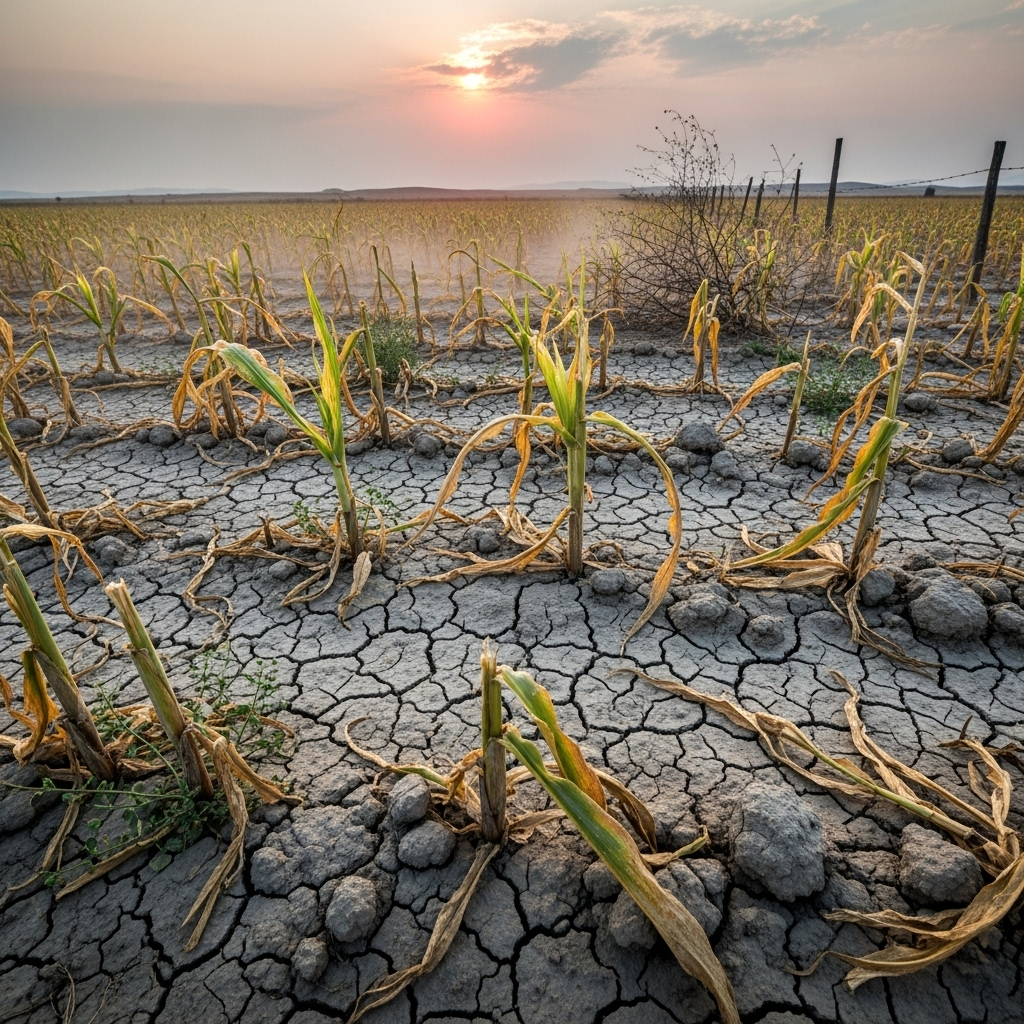
While we export the excess P, we must heal the land that remains. The hay pastures of Northeast Oklahoma and Northwest Arkansas have suffered a significant decline in Soil Organic Matter (SOM). The soil has become hard and crusted. When it rains, water sheets off the surface, carrying nutrients into the Illinois River tributaries rather than soaking into the root zone.
The second component of our method is developing the infrastructure in Northwest Arkansas to up-cycle drywall gypsum waste currently filling up the Ecovista Landfill in Tontitown (managed by Waste Management). This is also a big win for Tontitown residents who experience the rotten egg smell that decomposing gypsum causes, and until now has been overlooked as the primary culprit for the persistent odor.
We are rescuing this gypsum (Calcium Sulfate) to create our 50:50 Gypsum-Biochar pellet. This catalyst is our "secret weapon" for watershed remediation:
Opening the Pores: Gypsum acts as a flocculating agent, clumping clay particles together to open the pores of the earth,. This allows rainwater to be absorbed and retained during heavy rain events, preventing the leakage that leads to lawsuits.
Biochar is also a powerful pore opening tool that is made from forest and sawmill waste, and is an abundant resource that is solving the forest waste problem. Biochar is permanent carbon that will remain in the soil for hundreds of years. And, because it is a highly porous and absorbent material, locks nutrients into the soil and retains moisture naturally while opening pores for air to flow to plant roots.. This creates a long term aerobic environment that leads to low input farming and higher profitability.
Trapping the P: Research shows that gypsum treatment can reduce soluble reactive phosphorus runoff by up to 55%. We lock the nutrients in the pasture where they belong. (note: CCP will study these effects of biochar and gypsum in a EPA Farmer to Farmer Grant for the Beaver Lake Watershed with UA Water Quality Lab during 2026 -2029)
Component 3: The "Flavor" Solution (Volcanic Ash Minerals)
The third and often overlooked component is the key to BRIX: Volcanic Ash Minerals (VAM).
Sugar cannot exist without minerals. Microbes need tools to build plant health, and those tools are trace elements. Volcanic Ash Minerals provide the full spectrum of micronutrients that are often depleted in our soils. When applied in conjunction with our microbe-inoculated biochar and the structure-improving gypsum, VAM acts as the turbocharger for the system.
The microbes process these minerals and make them bioavailable to the plant. The plant, now fully mineralized, photosynthesizes at maximum capacity, pumping high-BRIX sugars into its leaves and fruit.
The Bottom Line: Profitability through Quality
The Carbon Chicken Project is an ambitious circular economy that solves the waste problem, the water problem, and the profit problem simultaneously.
For the Produce Farmer: High BRIX means explosive flavor. You don't need marketing dollars when your customers taste the difference between your tomato and a grocery store tomato. The product markets itself.
For the Livestock Producer: High BRIX means efficiency. Cattle fed on high-sugar, high-mineral forage digest their feed more completely. They gain weight faster on less physical grass because they are eating nutrient density, not empty fiber.
For the Broiler Producer: The 50:50 Biochar/Gypsum pellet added to a highly absorbent bedding material like “industrial hemp” can create a dryer, more disease free environment. The ammonia is locked up in the biochar and gypsum locks up the water soluble P. Additionally, with the carbon (biochar) in the bedding, the resulting poultry litter becomes more valuable as a marketable farm product.
By using the 80:20 blend to export excess nutrients, the 50:50 Gypsum-Biochar catalyst to open the soil pores, lock up nutrients, and Volcanic Ash Minerals to spike the sugar levels, we create a system where Mother Nature takes over.
The result is a product that is sweeter, more nutrient dense, more marketable, and more profitable. That is the promise of the Carbon Chicken Project.