Unlocking Environmental Benefits: A Glimpse into Carbon Negative Farming for the Illinois River Watershed
In the picturesque landscapes of Northwest Arkansas, the Carbon Chicken Project is on a mission to revolutionize agriculture and create a sustainable future. At the heart of this endeavor lies the Carbon Negative Farming Ecosystem, designed not only to transform individual farms but to address broader environmental concerns, particularly within the Illinois River Watershed.
Phosphorus Reduction:
The Illinois River Watershed has grappled with excess phosphorus levels, primarily stemming from confined poultry feeding operations (CAFOs). The Carbon Chicken Project's innovative approach, grounded in the repurposed chicken houses, provides a scalable solution to reduce phosphorus runoff. By converting poultry litter into valuable resources like blended biochar poultry litter compost (BPLC), we aim to mitigate the environmental impact on water quality within the watershed.
Waste-to-Energy Conversion:
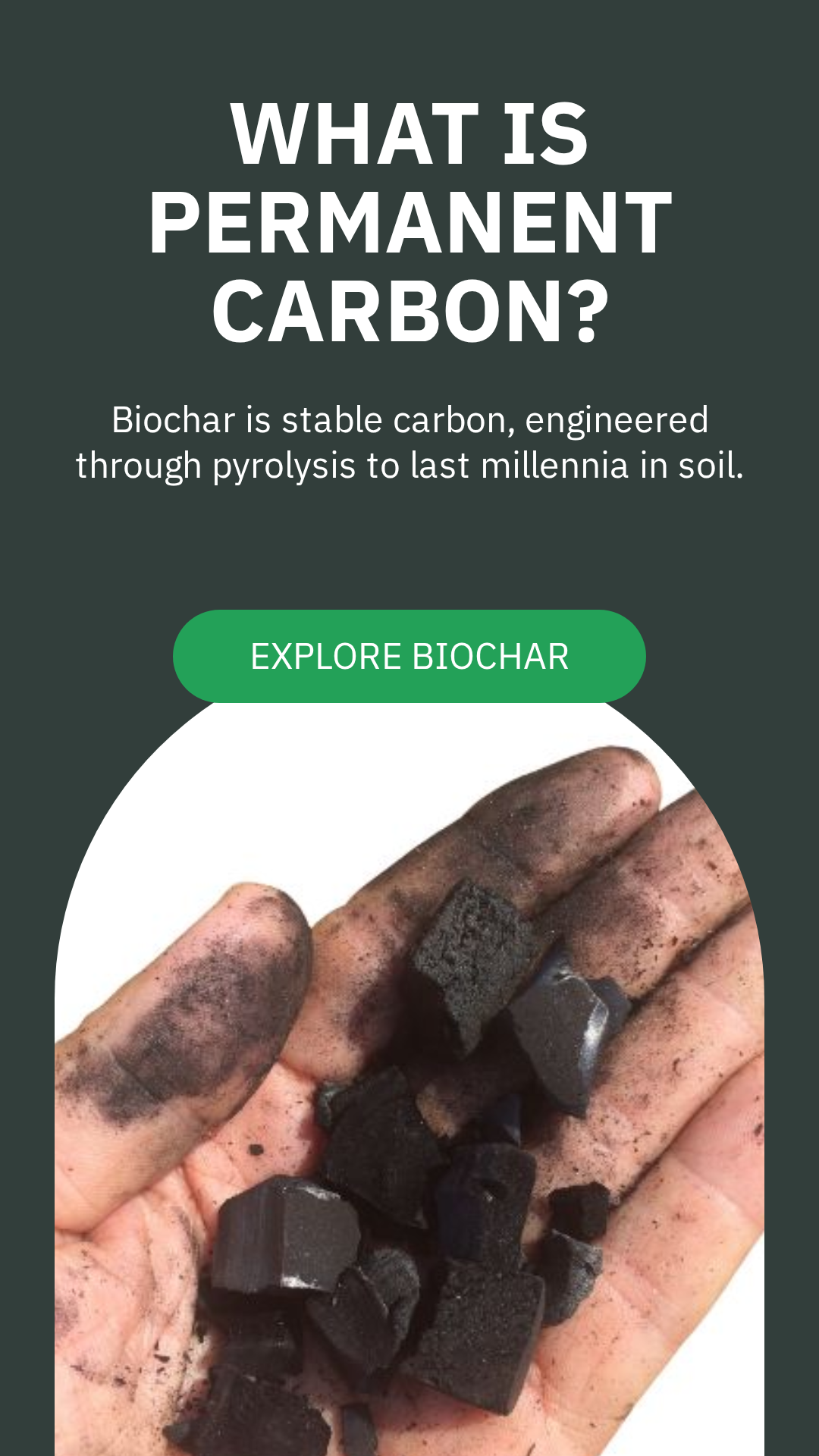
With approximately 1,900 poultry CAFOs in the region, waste management poses a significant challenge. The integration of a regional Bioenergy Carbon Capture and Storage System within the Carbon Negative Farming Ecosystem offers a groundbreaking solution. Through pyrolysis and other bioenergy technologies, we not only convert waste into energy but also create valuable byproducts like biochar. This dual-purpose approach addresses waste challenges while contributing to soil health and carbon sequestration.
Replicable System for Poultry Farms:
The Carbon Chicken Project envisions a future where the benefits of Carbon Negative Farming extend beyond individual farms. By creating a replicable and scalable system, we aim to empower an estimated 500 confined poultry feeding operations in the region. The repurposed chicken houses serve as a blueprint for transforming conventional practices into sustainable, regenerative systems.
Regional Transition to Carbon Negative Farming:
The key to transformative change lies in a unified approach. The Carbon Chicken Project is committed to establishing a protocol for all farms in the region to transition to Carbon Negative Farming. Through education, outreach, and collaboration, we seek to create a network of environmentally conscious farmers dedicated to implementing sustainable practices.
Environmental Leadership:
By addressing the environmental challenges specific to the Illinois River Watershed, the Carbon Chicken Project aspires to set a precedent for environmental leadership in agriculture. The scalable nature of the Carbon Negative Farming Ecosystem positions it as a model that not only addresses current concerns but adapts to the evolving needs of the region.
In summary, the Carbon Chicken Project's initiative extends far beyond the repurposed chicken houses. It is a holistic approach to transform the agricultural landscape, offering tangible solutions to environmental challenges within the Illinois River Watershed. Through replication, scalability, and a regional transition to Carbon Negative Farming, we aim to foster a sustainable future where agriculture and environmental stewardship go hand in hand.
===
The Carbon Negative Farming Ecosystem, a brainchild of innovation and commitment, is poised to redefine the future of farming.
At the heart of this transformative endeavor – our remodeled and repurposed chicken houses as the transformative solution for the Illinois River Watershed.
The Foundation: Four Repurposed Chicken Houses
At the heart of our vision for a sustainable future lies a seemingly unexpected starting point – four repurposed chicken houses, each stretching 60 feet wide and 400 feet long. These structures are not just shelters for poultry; they are the foundations of a revolutionary Carbon Negative Farming Ecosystem.
Component 1: Bioenergy Technologies
Our commitment to sustainable practices begins with harnessing the power of nature. Solar panels adorn these structures, converting sunlight into renewable energy. Pyrolysis technology transforms waste into energy, showcasing the potential of turning byproducts into valuable resources. Geo-thermal systems and LED technology contribute to an energy-efficient environment, laying the groundwork for a self-sufficient energy ecosystem.
Component 2: The Bio-factory
Within these repurposed chicken houses, the bio-factory comes to life. Powered by on-farm bioenergy, it becomes a hub of innovation. Black Soldier Fly larvae play a crucial role in waste conversion and nutrient cycling. Biochar, a stable form of carbon, emerges as a key component for soil and animal health. Poultry litter, often an environmental challenge, is transformed into a valuable resource through the production of blended biochar poultry litter compost (BPLC) that we call Carbon Chicken 80:20. As if that weren't enough, our indoor growing operation produces a diverse array of soil-grown, nutrient dense fruits and vegetables for the regional markets of Northwest Arkansas.
The Vision Unfolds
These once conventional chicken houses that had been decommissioned are no longer just shelters taking up valuable farm land; they are the epicenter of a transformative vision. Witnessing the integration of sustainable energy, waste management, and agricultural productivity within these structures fills me with optimism for the future of farming. The Carbon Negative Farming Ecosystem, with its layered components, not only mitigates environmental impact but also sets a precedent for the evolution of agriculture.
As we embark on this journey, I invite each member of our community to join us in envisioning a future where innovation and sustainability go hand in hand. The repurposed chicken houses signify not just the present but a promising foundation for a sustainable and regenerative future in farming.
Together, let's turn challenges into opportunities, and let the Carbon Negative Farming Ecosystem be a beacon of hope for a greener, more sustainable world.
Jody Hardin
Co-Founder, Carbon Chicken Project